Construction begins with site preparation and moves through framing, plumbing, and electrical installation. Regular walkthroughs help verify that everything aligns with your expectations before systems are enclosed and materials become harder to adjust.
Begin Construction
Site Preperation
Framing and Structural Work
Plumbing Walkthrough
Electrical and Low-Voltage Walkthrough
Timeframe: 4-8 Months
Site Preperation
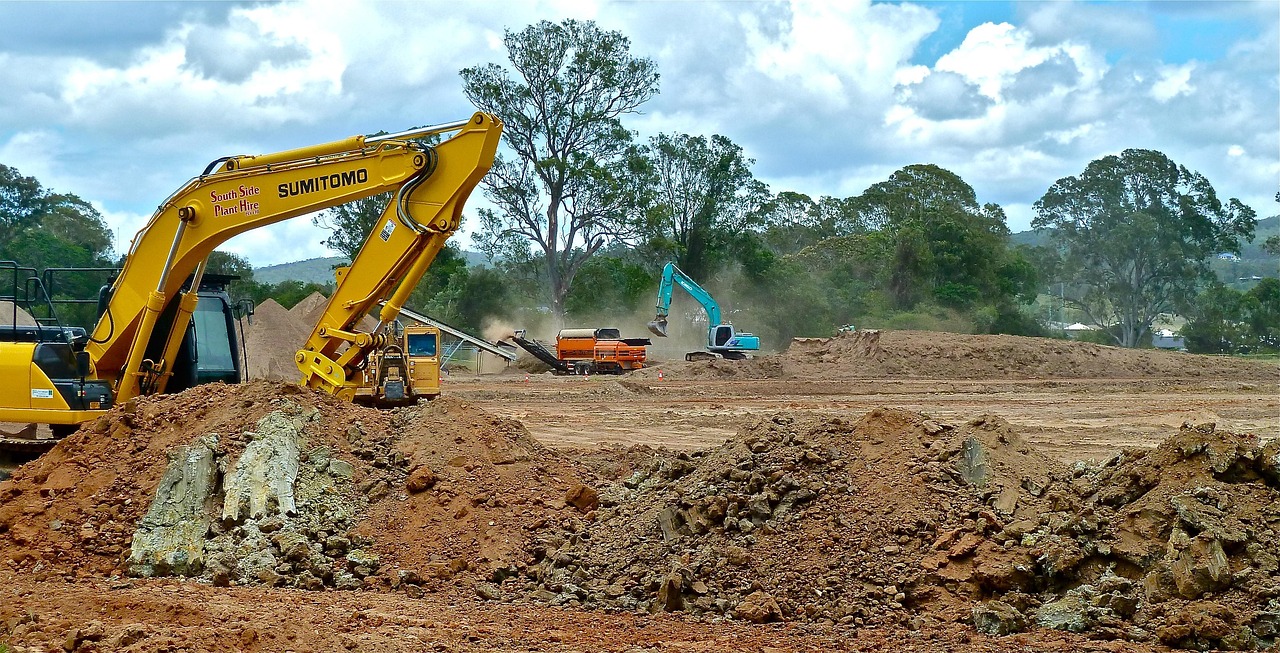
Site preparation is the foundation—literally and figuratively—for the entire construction process. Your lot must be cleared, leveled, and marked before the actual building begins.
- Marking the Layout: Your builder will stake out the exact footprint of the home, including property boundaries and setbacks. This ensures the house is positioned correctly on the lot.
- Clearing and Grading: Trees, brush, and debris are removed, and the ground is leveled to prepare for the foundation. Grading also helps ensure proper drainage to protect your home from future water damage.
- Installing Basic Utilities: Depending on your lot, this step may include bringing in water lines, sewer connections, or other utility hookups.
Pro Tip
Visit the site after this stage to visualize how your home will sit on the property and address any concerns before foundation work begins.
Framing and Structural Work
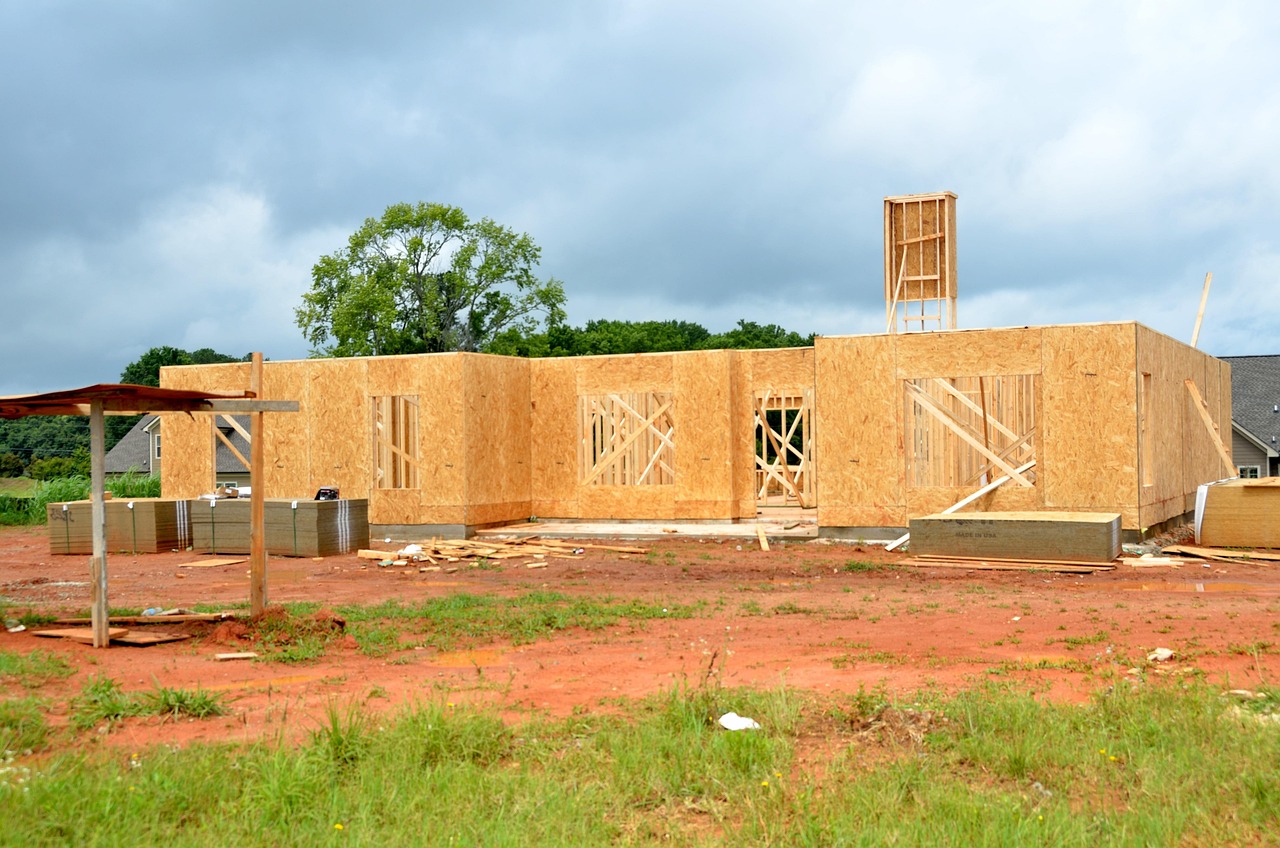
Framing is one of the most transformative stages of construction, as the skeleton of your home takes shape.
- Building the Framework: Walls, floors, and the roof structure are built during this phase. The framing establishes the shape and size of each room, giving you a clear sense of the home’s flow.
- Adding Structural Elements: Key components like beams, joists, and trusses are installed to ensure the structure’s integrity.
- Walkthrough Opportunity: Once framing is complete, walk through the home with your builder to review the layout and confirm placements. It’s much easier to make minor adjustments now than after drywall is installed.
Pro Tip
Take photos of the framing stage. These can be useful later for locating electrical wiring, plumbing, or structural elements behind the walls.
Plumbing Walkthrough
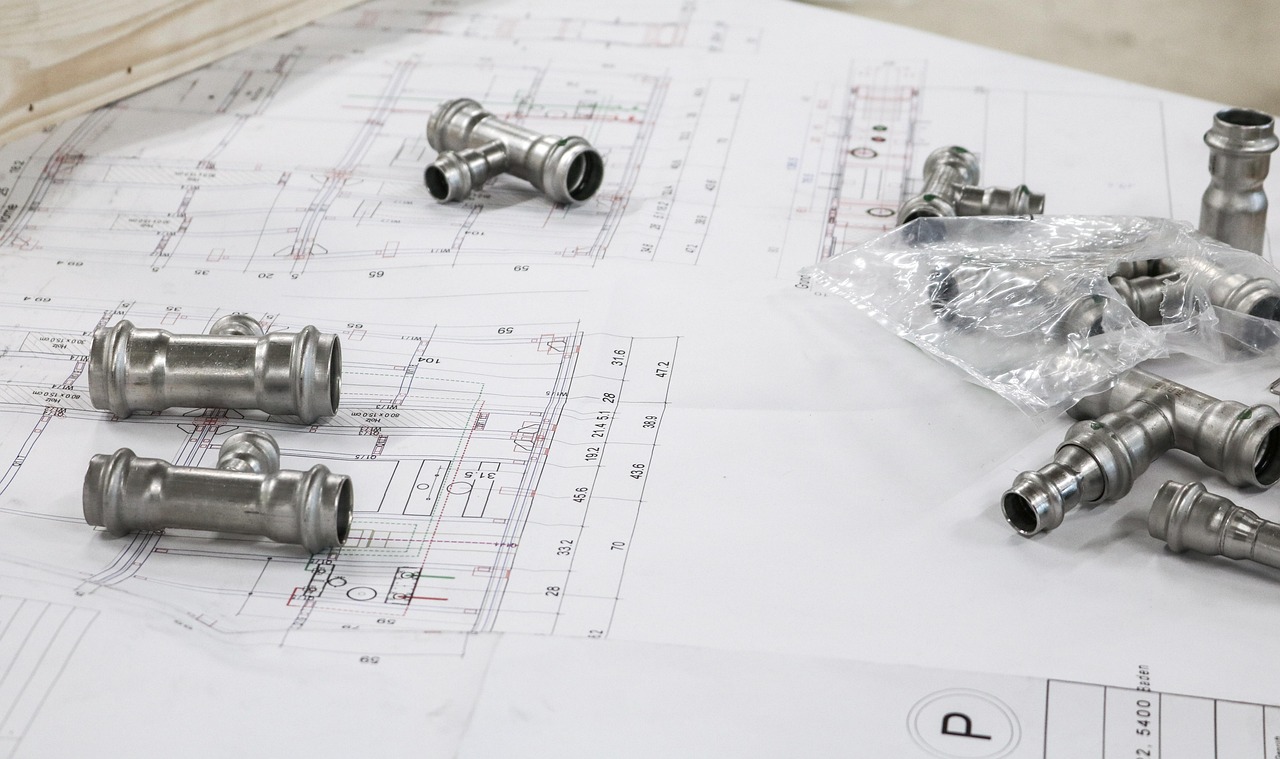
Plumbing rough-ins are installed after the framing is complete, and this phase ensures that all pipes and fixtures are correctly placed before walls are closed up.
- Review Plumbing Plans: Walk through the home with your builder and plumber to confirm the placement of sinks, toilets, showers, and tubs.
- Check Utility Connections: Ensure water and sewer lines are properly connected to the main supply.
- Future-Proof Your Home: Discuss options for adding features like water filtration systems or tankless water heaters.
Pro Tip
Confirm the location of shut-off valves for easy access in case of emergencies.
Electrical and Low-Voltage Walkthrough
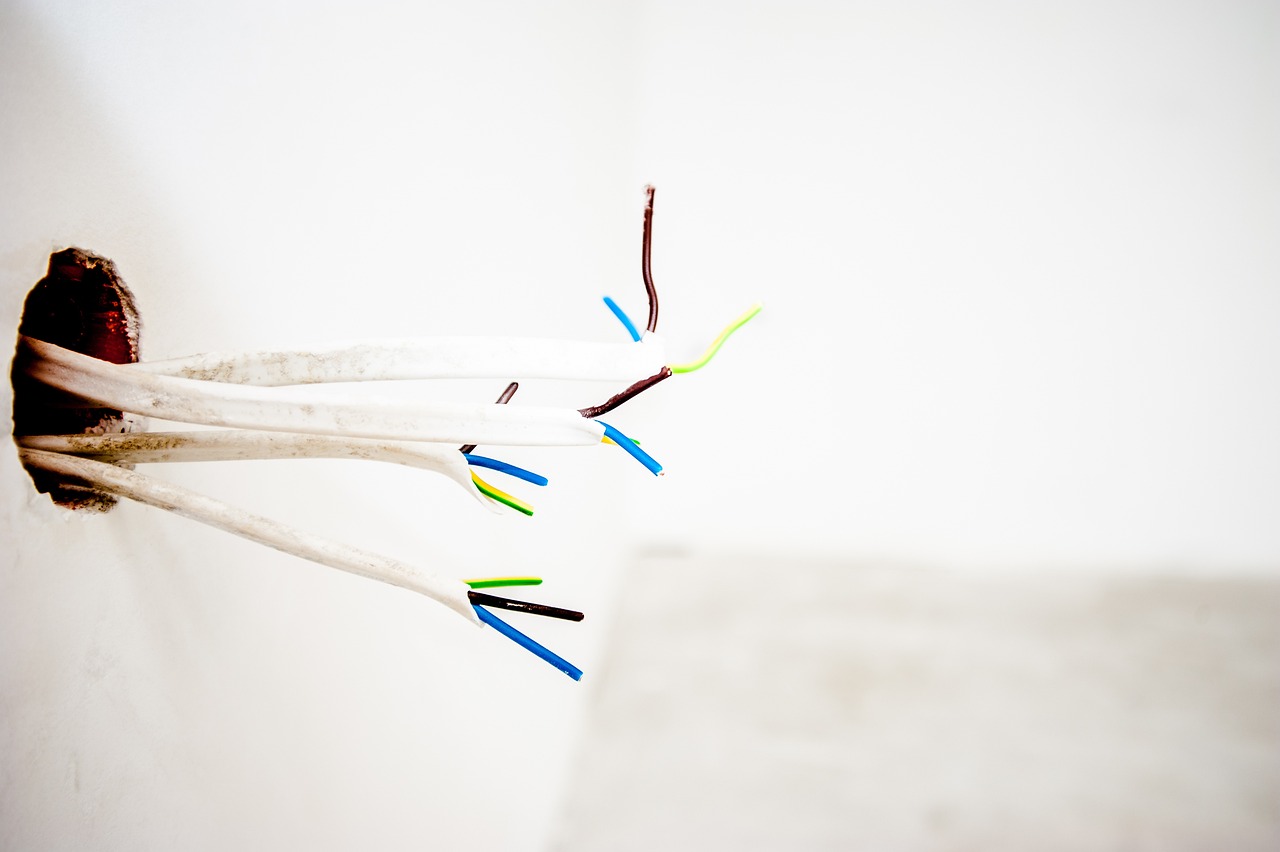
Electricity is essential to making your home functional and comfortable. This walkthrough is an opportunity to confirm the placement of outlets, lighting fixtures, and other electrical components.
- Outlets and Switches: Walk room by room to confirm outlet placements and switch locations. Think about practical needs, like where you’ll plug in appliances or charge devices.
- Lighting Design: Review the placement of overhead lights, recessed fixtures, and accent lighting.
- Low-Voltage Systems: If your home includes smart technology, internet wiring, or a security system, ensure these systems are integrated during this phase.
Pro Tip
Add extra outlets or lighting in high-use areas, like the kitchen or home office. It’s easier and more affordable to do this now than after construction is complete.
Key Takeaways
The construction phase is where your vision begins to take physical form. From preparing the site to walking through the framed structure, each step builds on the last to ensure your home is safe, functional, and beautiful. Staying involved during this phase allows you to catch potential issues early and ensures the final product aligns with your expectations.
Resources
Construction Checklist
This set of checklists ensures your home’s infrastructure—from ground prep to framing—is built accurately, safely, and in compliance with all plans and codes. By reviewing key milestones for site work, plumbing, electrical, and framing, you reduce the risk of delays, costly errors, or future maintenance issues.
Open Construction Checklist