Work with a surveyor to define property boundaries and assess the lot’s buildability. Decide on the best location for your home based on views, sunlight, and privacy while making sure all zoning and setback requirements are met before designing your layout.
Property Discovery
Obtain a Land Survey
Determine the Home's Position on the Lot
Understand Setbacks and Building Restrictions
Timeframe: 2-4 Weeks
Obtain a Land Survey
A land survey is essential for understanding your property’s boundaries and preparing for construction. This professional document helps avoid disputes with neighbors, ensures compliance with zoning laws, and guides the placement of your home.
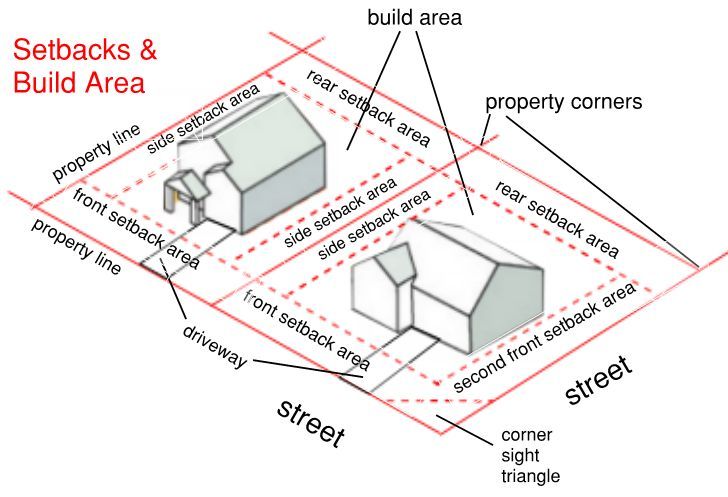
- Hire a Licensed Surveyor: A surveyor will physically mark your property boundaries and provide a detailed map. This map will also show easements (areas legally used by others, like utility companies) and setbacks (required distances from property lines or natural features).
- Prepare for the Survey: Clear any overgrown vegetation or debris that may obstruct the surveyor’s work. Providing any existing property documents, such as deeds or old surveys, can speed up the process.

Pro Tip
Keep the survey map handy for future meetings with builders, architects, and zoning officials. It’s a key document that will inform every stage of your project.
Determine the Home's Position on the Lot
Choosing the right spot for your home on the lot can affect everything from natural light to energy efficiency. Factors to consider include:
- Sunlight and Orientation: Think about where the sun rises and sets in relation to your home. Positioning windows to capture natural light can reduce energy costs and enhance comfort.
- Landscape Features: Identify existing trees, slopes, or water features. These elements can either enhance the aesthetic of your home or require adjustments during construction.
- Views and Privacy: Decide whether your home should face the street, maximize backyard views, or create privacy from neighbors.

Pro Tip
Use a digital tool or work with your builder to visualize the home’s placement using 3D models or drone footage of the lot.
Understand Setbacks and Building Restrictions
Setbacks and restrictions are crucial to ensuring your project stays compliant with local laws. Ignoring these can lead to costly redesigns or delays.
- Check Local Zoning Laws: Review your land survey to ensure the home’s planned location adheres to zoning requirements. These rules dictate the minimum distance between your home and property lines, roads, or natural features.
- Understand Height and Footprint Restrictions: Some municipalities limit the height of structures or the percentage of the lot that can be developed.
- Subdivision or HOA Rules: If your property is part of a subdivision, check for additional restrictions, such as specific building materials or design styles.
Pro Tip
Communicate these restrictions early to your architect and builder so they can adjust designs accordingly.
Key Takeaways
Property discovery is about more than finding a location—it’s about ensuring your lot is ready for construction. By obtaining a land survey, strategically positioning your home, and adhering to setbacks and restrictions, you’ll avoid future headaches and set a solid foundation for your custom home.
Resources
Lot and Property Checklist
- It directly addresses all the key tasks outlined in the blog post: verifying lot ownership, obtaining a land survey, and understanding building restrictions.
- It provides a structured approach to ensure all necessary steps are taken, which is crucial during this phase.
- It helps to verify Utility Access.
- It helps to evaluate Lot Topography and Soil Conditions.
- It helps to Plan for Environmental and Legal Considerations.
Property Discovery Worksheet
- This worksheet complements the Lot and Property Checklist by providing a detailed way to document specific information about the property.
- It helps organize essential details like property boundaries, utility access, and environmental considerations, which are vital for discussions with planning and zoning departments and utility providers.
- This worksheet is a great tool for the client to bring with them to meetings with the planning and zoning departments, and also to share with their builder.