Gather visual inspiration and meet with your builder to discuss layout preferences, stylistic elements, and the overall feel of your future home. A custom design approach allows for tailored solutions that suit your lifestyle, site conditions, and long-term vision.
Initial Plan Consultation
Gather Inspiration and Initial Ideas
Meet with InVita Homes for a Design Consultation
Avoid Pre-Ordered Plans
Timeframe: 1-2 Weeks
Gather Inspiration and Initial Ideas
Before stepping into the consultation, take the time to organize your thoughts and preferences. The clearer your vision, the more productive your meeting will be.
- Find Your Style: Begin by identifying what appeals to you. Look for design inspiration on platforms like Pinterest, Houzz, or even in magazines. Save images, layouts, and color palettes that resonate with you.
- Think About Functionality: Consider how your home will be used daily. Do you prefer an open-concept design, or would separate spaces better suit your family’s needs? Think about specific rooms, such as a home office, guest suite, or gym, and how they fit into your lifestyle.
- List Must-Haves: Write down your non-negotiable features. This could include a gourmet kitchen, a large backyard, or energy-efficient windows.
While gathering inspiration is fun, keep in mind your budget and lot restrictions. Being realistic about your resources ensures your ideas are achievable.

Pro Tip
Create a digital mood board to organize your ideas and share it with your builder during the consultation.
Meet with InVita Homes for a Design Consultation
Once your ideas are organized, it’s time to collaborate with experts. At InVita Homes, the design consultation is where your vision is translated into actionable plans.
- Discuss Layout Preferences: Your builder will ask about the general layout you envision. Do you want single-story living or a multi-level design? Would you prefer a central gathering space or private zones for each family member?
- Focus on the Exterior Aesthetic: Share your preferences for the home’s exterior style, such as modern, traditional, or farmhouse. This is also the time to discuss materials like brick, wood, or vinyl siding.
- Set Priorities: Every custom home project has a balance between budget and design. Be clear about which features are must-haves versus those you’re willing to compromise on. For example, if an expansive kitchen island is a priority, you might adjust elsewhere to stay within budget.
Collaboration is key during this meeting. Builders like InVita Homes bring experience and expertise, offering suggestions you may not have considered.

Pro Tip
Be open to feedback from your builder. They can often suggest cost-effective alternatives or enhancements to your ideas.
Avoid Pre-Ordered Plans
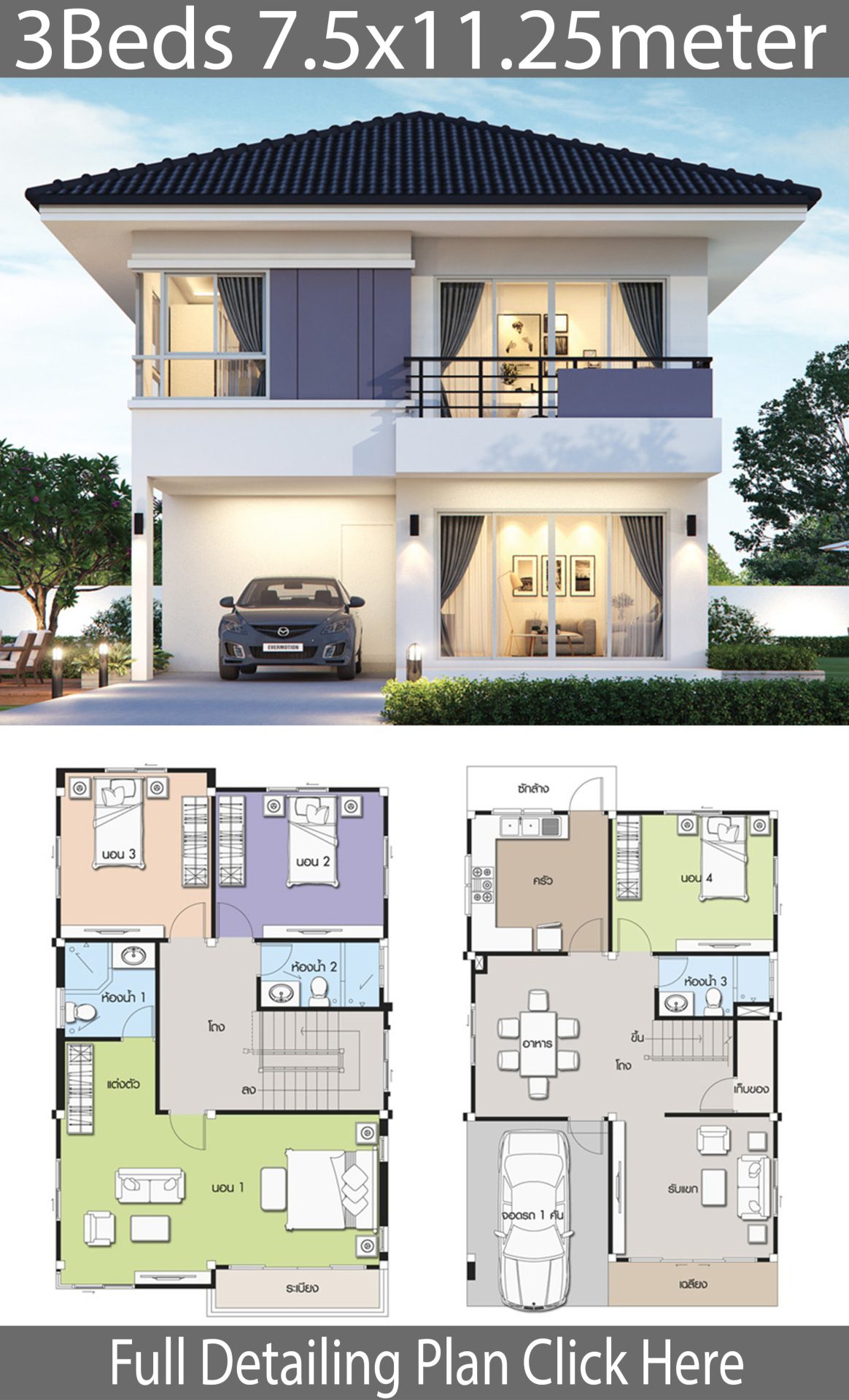
Many first-time homebuilders consider purchasing pre-designed plans, thinking it’s a quicker or cheaper solution. However, custom homes often require specific adaptations that pre-ordered plans cannot accommodate.
- Why Custom Plans Are Better: A licensed architect will tailor your design to your lot, lifestyle, and local building codes. Custom plans account for factors like natural light, terrain, and specific room dimensions, ensuring a seamless build.
- Long-Term Cost Savings: While custom plans may have a higher upfront cost, they typically save money in the long run by reducing the need for modifications or redesigns during construction.
Pro Tip
If budget constraints are a concern, work with your builder and architect to simplify certain design elements without sacrificing the overall vision.
Key Takeaways
The initial design consultation matters, especially for this stage. It is more than just a meeting—it’s the blueprint for how your dream home will come to life, which starts to take shape here. By gathering inspiration, organizing your ideas, and working closely with your builder to refine layouts and prioritize features, you lay the groundwork for a home that truly reflects your style and needs. This stage is all about clear communication and thoughtful collaboration; sharing your vision while staying open to expert advice helps create a design that balances creativity, practicality, and budget. Avoiding pre-designed plans allows for greater flexibility and customization, ensuring your home suits you perfectly. The effort you invest here sets the tone for a smooth build and a home that’s uniquely yours.
Resources
Initial Plan and Design Consultation Worksheet
This worksheet is specifically designed to help you organize your ideas and preferences before heading to the architect.It covers key areas including general home preferences, room-by-room priorities, additional spaces, design and finishing styles, and budget considerations.
Open Initial Plan and Design Consultation Worksheet